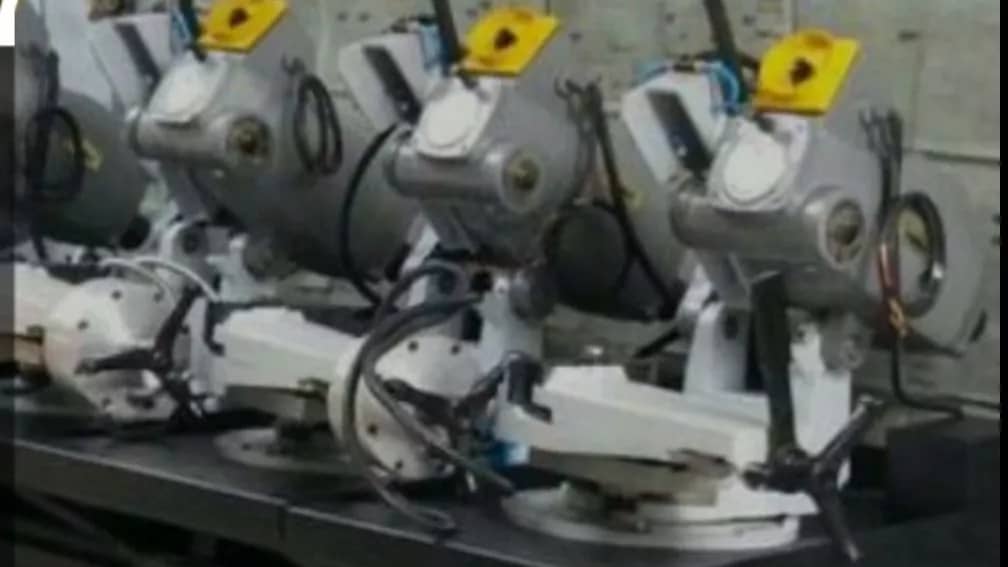
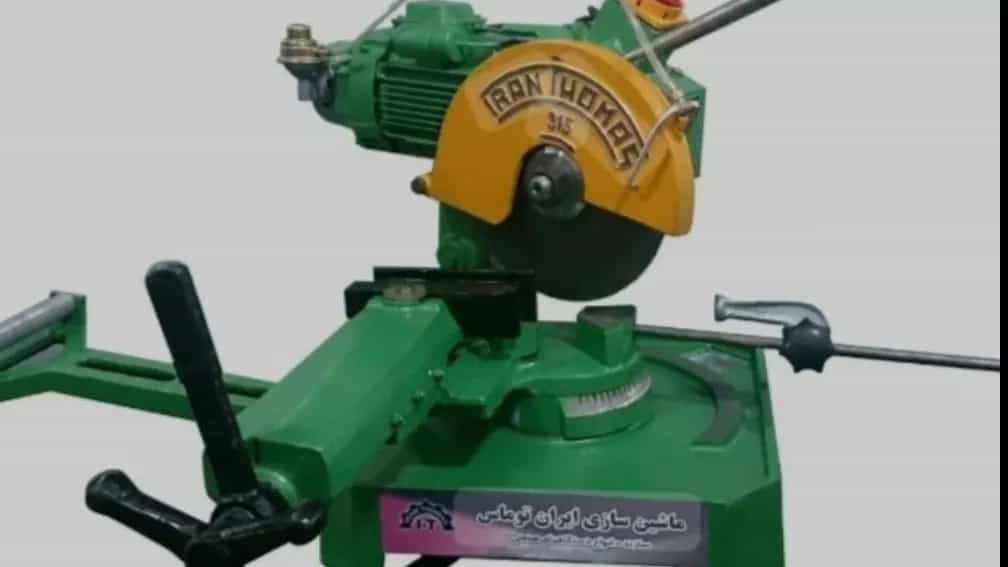
Production and repair of a soapy water saw requires several main steps, which I will mention below:
### Production of a soapy water saw
1. Product design and development:
- The design of a soapy water saw includes the creation of technical drawings, the selection of suitable materials and the design of its body and mechanisms.
2. Choosing materials and parts:
- Using high-quality and resistant materials for the body, blade and other mechanisms, including water-resistant plastics and stainless metals.
3. Production and assembly:
- Production of parts using modern methods of plastic injection or turning and then assembling them together to form a complete saw.
4. Testing and Quality Control:
- Before being released to the market, saws must pass comprehensive quality tests to ensure that they function properly.
5. Packaging and supply:
- Suitable packaging is selected according to the type of product and suitable protection for transportation, and then it is released to the market.
### repair Soapy water saw
1. Problem diagnosis:
- First you need to diagnose the problem of the saw, for example, the blade does not move properly, abnormal oscillations, etc.
2. Basic repairs:
- includes cleaning parts, readjusting mechanisms and replacing parts that may be damaged.
3. Advanced Repairs:
- If the problem is more complex, it may require replacement of major parts or more detailed mechanical repair.
4. Performance Test:
- After the repair, be sure to test the operation of the saw to ensure that the problem has been resolved.
5. Periodical maintenance and care:
- It is better to clean and restore the soapy water saw regularly to increase its useful life.
These steps are generally the production process. And the repair of the saw includes soapy water.